Dr. Jitendra Chowdhary

Edit Content

24/7 emergency services

MON - FRI:08:00 - AM 7:00PM

Sat - Sun:Closed

Uni Compartmental Replacement

HOME - Uni Compartmental Replacement

Introduction to Uni Compartmental Knee Replacement

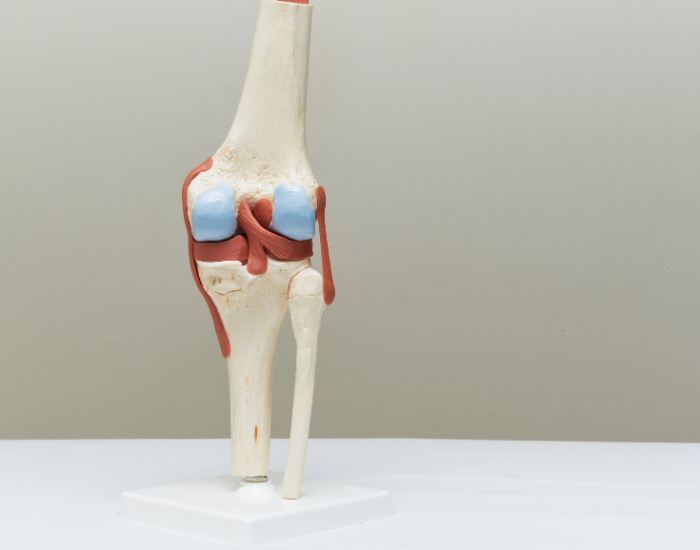
Uni Compartmental Knee Replacement, also known as unicompartmental knee arthroplasty, is a surgical procedure performed to treat osteoarthritis that affects only one compartment of the knee joint. In this procedure, the damaged or diseased compartment of the knee joint is replaced with an artificial implant, allowing for pain relief and restoration of function. Compared to total knee replacement, uni compartmental replacement offers several advantages, including smaller incisions, faster recovery times, and preservation of healthy bone and ligaments in the knee. This article provides an overview of the procedure, its benefits, and considerations for patients considering uni compartmental knee replacement.
Uni Compartmental Replacement

Benefits and Risks of Uni Compartmental Knee Replacement

Uni compartmental knee replacement surgery offers several benefits for patients with osteoarthritis limited to one compartment of the knee joint. The procedure involves replacing only the affected part of the knee joint, preserving healthy bone and ligaments. This results in smaller incisions, less blood loss, and a faster recovery compared to total knee replacement. Uni compartmental knee replacement also provides excellent pain relief and improved function in the affected knee compartment. However, like any surgical procedure, it carries some risks, including infection, blood clots, implant loosening, and the potential need for future revision surgery. It is essential for patients to understand both the benefits and risks before considering uni compartmental knee replacement.

Uni Compartmental Replacement

Rehabilitation and Recovery after Uni Compartmental Knee Replacement
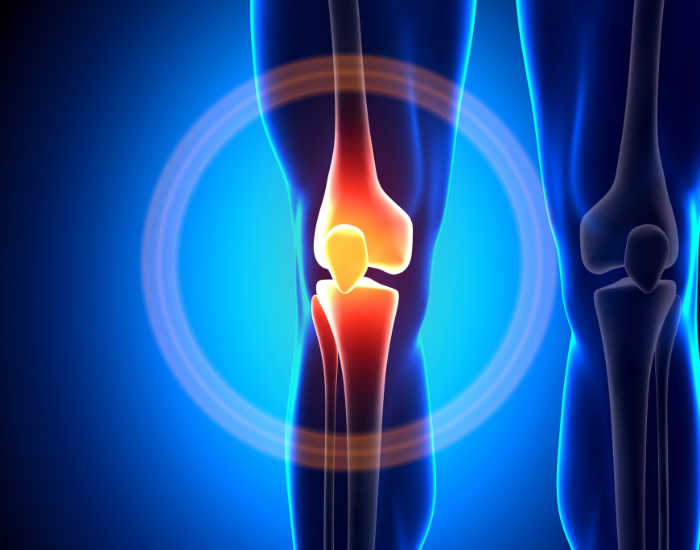
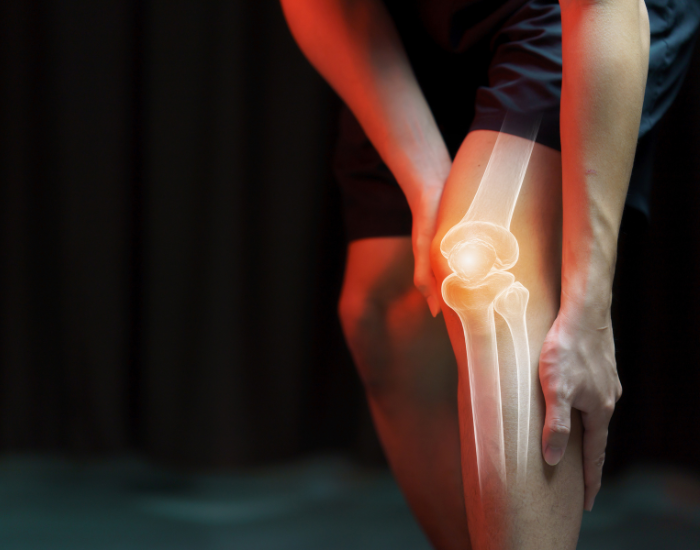
The success of uni compartmental knee replacement surgery depends not only on the surgical procedure itself but also on the postoperative rehabilitation and recovery process. Following the surgery, patients typically undergo physical therapy to regain strength, mobility, and range of motion in the affected knee. The rehabilitation program may include exercises to strengthen the quadriceps and hamstring muscles, as well as balance and coordination exercises. Full recovery and return to normal activities can take several weeks to months, depending on individual factors. Adhering to the rehabilitation plan and closely following the surgeon’s instructions are crucial for a successful outcome after uni compartmental knee replacement.

Long-term Outcomes of Uni Compartmental Knee Replacement

Uni compartmental knee replacement has demonstrated favorable long-term outcomes for patients with isolated knee osteoarthritis. Studies have shown that the procedure provides excellent pain relief, improved knee function, and high patient satisfaction rates. Long-term follow-up studies have reported implant survival rates comparable to total knee replacement, with the advantage of preserving more of the natural knee joint. Proper patient selection, accurate implant placement, and adherence to rehabilitation protocols are essential factors in achieving long-term success with uni compartmental knee replacement. Regular follow-up visits with the surgeon and ongoing monitoring of the knee joint health are also important for detecting and addressing any potential issues.

Patient Selection for Uni Compartmental Knee Replacement

Patient selection is a critical aspect of determining the suitability of uni compartmental knee replacement as a treatment option. Ideal candidates for this procedure typically have osteoarthritis limited to one compartment of the knee joint, good ligament stability, and a healthy knee joint alignment. They should also have a relatively low body mass index (BMI), good bone quality, and no significant deformities or ligament injuries. Preoperative imaging, such as X-rays and MRI scans, are used to evaluate the extent of arthritis and confirm the suitability of uni compartmental knee replacement. It is crucial for the surgeon to thoroughly assess each patient’s condition and consider their individual characteristics to determine the most appropriate treatment approach for optimal outcomes.

Dr. Jitendra Chowdhary

Specialist

Dr. Jitendra Chowdhary is a skilled and compassionate joint replacement specialist, dedicated to improving patients’ quality of life through advanced surgical techniques and personalized care. With a deep understanding of orthopedic medicine, the doctor combines expertise with a patient-centered approach to deliver optimal outcomes for individuals seeking joint replacement solutions.

Working Hours

Have an emergency? Book your visit.

Monday

Tuesday

Wednesday

Thursday

Friday

Saturday 

Sunday

9:00AM – 06:30PM

9:00AM – 06:30PM

9:00AM – 06:30PM

9:00AM – 06:30PM

9:00AM – 06:30PM

9:00AM – 06:30PM

9:00AM – 06:30PM

Emergency Support

Book an Appointment

Edit Template
APPOINTMENT SCHEDULE

Make An Appointment

FAQS

Is uni compartmental replacement suitable for everyone with knee pain?

Uni compartmental replacement is specifically recommended for individuals with localized damage in one compartment of the knee joint, typically caused by osteoarthritis. Not all patients are eligible candidates for this procedure, and a thorough evaluation by an orthopedic surgeon is necessary to determine suitability based on various factors such as the extent of damage, overall health, and lifestyle.

How long does the recovery process take after uni compartmental replacement?

Recovery time can vary depending on individual factors, such as the patient's overall health, adherence to post-operative instructions, and commitment to rehabilitation. In general, patients can expect a faster recovery compared to total knee replacement, with many individuals returning to daily activities within a few weeks. However, it may take several months to achieve full recovery and optimal function.

Are there any risks or complications associated with uni compartmental replacement?

As with any surgical procedure, uni compartmental replacement carries potential risks and complications. These can include infection, blood clots, implant loosening, nerve or blood vessel damage, and limited range of motion. However, with proper patient selection, skilled surgical techniques, and adherence to post-operative care instructions, the risk of complications is typically minimized.

Will I be able to participate in sports or high-impact activities after uni compartmental replacement?

Many patients who undergo uni compartmental replacement can resume low-impact activities such as walking, swimming, and cycling. However, participation in high-impact sports or activities that place excessive stress on the knee joint may be restricted. It is important to consult with your orthopedic surgeon to determine what activities are safe and appropriate for your specific case.