

24/7 emergency services
Send us email
Sat - Sun:Closed
knee replacement
HOME - KNEE REPLACEMENT
Understanding Knee Replacement Surgery: Restoring Mobility and Relieving Pain
Exploring Options: Types of Knee Replacement Procedures
Preparing for Success: Getting Ready for Knee Replacement Surgery
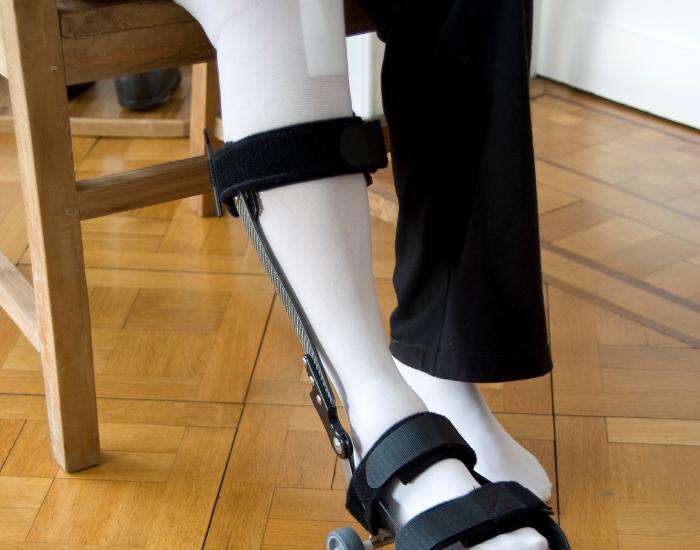
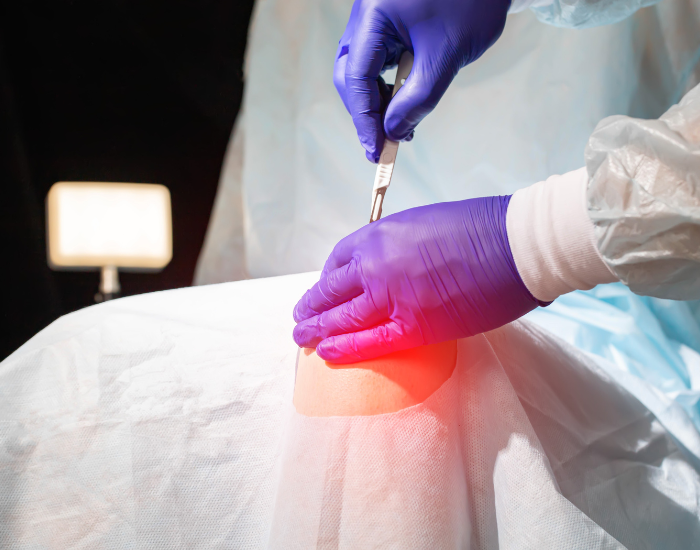
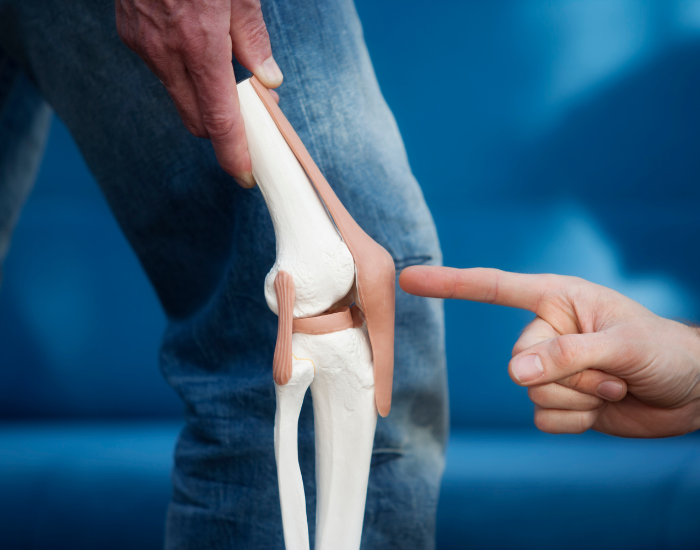
The Recovery Process after Knee Replacement Surgery
Risks and Complications of Knee Replacement Surgery

Dr. Jitendra Chowdhary
Specialist
Dr. Jitendra Chowdhary is a skilled and compassionate joint replacement specialist, dedicated to improving patients’ quality of life through advanced surgical techniques and personalized care. With a deep understanding of orthopedic medicine, the doctor combines expertise with a patient-centered approach to deliver optimal outcomes for individuals seeking joint replacement solutions.
Working Hours
Have an emergency? Book your visit.
Monday
Tuesday
Wednesday
Thursday
Friday
Saturday
Sunday
9:00AM – 06:30PM
9:00AM – 06:30PM
9:00AM – 06:30PM
9:00AM – 06:30PM
9:00AM – 06:30PM
9:00AM – 06:30PM
9:00AM – 06:30PM
Emergency Support
Book an Appointment
Make An Appointment
FAQS
Recovery time after knee replacement surgery can vary depending on various factors, including the individual's overall health, age, and adherence to rehabilitation exercises. Typically, most people can expect to be able to walk with assistance within 24 hours after surgery and may require the use of crutches or a walker for a few weeks. Full recovery, including improved strength and range of motion, can take several months.
The lifespan of a knee replacement can vary, but on average, most knee replacements can last for 15 to 20 years. However, factors such as the individual's activity level, weight, and overall health can influence the longevity of the implant. It's important to follow the doctor's recommendations for post-surgical care, avoid excessive strain on the knee joint, and attend regular check-ups to monitor the condition of the implant.
While knee replacement surgery is generally considered safe and effective, like any surgical procedure, there are potential risks and complications. These can include infection, blood clots, bleeding, nerve or blood vessel damage, stiffness, instability, implant failure, allergic reactions to anesthesia or implant materials, and ongoing pain or discomfort. Your orthopedic surgeon will discuss these risks with you and take appropriate measures to minimize them.
In some cases, knee replacement surgery may not be the first line of treatment. Alternatives to knee replacement surgery can include non-surgical options such as physical therapy, medications (e.g., pain relievers, corticosteroids), injections (e.g., corticosteroids, hyaluronic acid), weight management, assistive devices (e.g., braces, canes), and lifestyle modifications. These alternatives can help manage pain and improve knee function, but it's essential to consult with an orthopedic specialist to determine the most suitable treatment approach based on your specific condition.